

Meet Thomas Thatcher
Author & The Tack Master
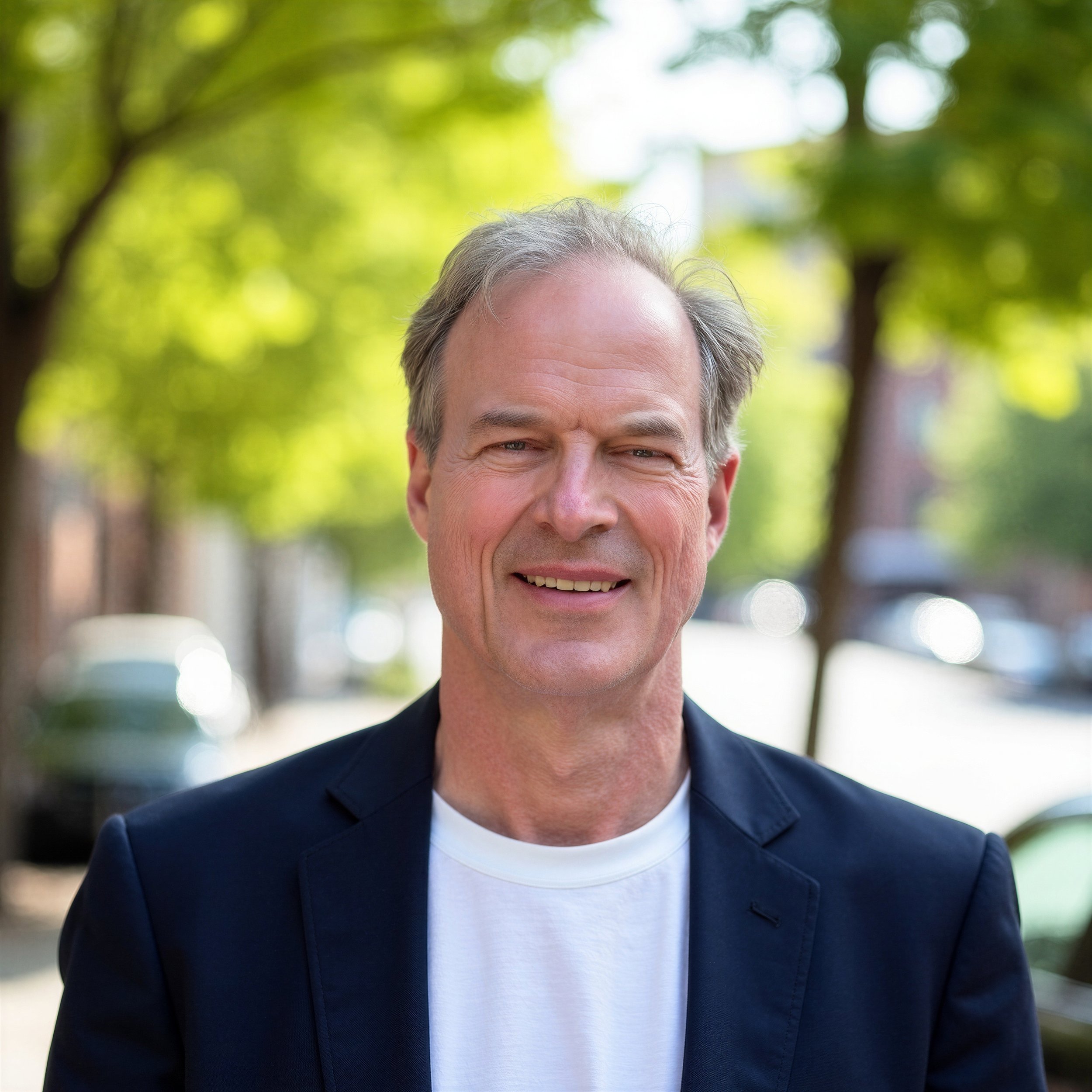
“The best way to predict the future is to create it. ”
Thomas Thatcher’s story is not one of overnight success or effortless resilience. It is the story of a man who was hurt, bruised, and battered—much of it by his own making—and who discovered how to turn justified complaints into meaningful commitment.
The Origin Story: From Victim to Owner
For years, Thomas lived exactly like the people he now helps. He felt rejected, discounted, and victimized. Life did not feel fair. Things did not seem right. He believed he had been dealt a bad hand, and he felt fully justified in his complaints. And that was the problem.
His complaints were not necessarily wrong. In many cases, they were justified. But being right about how he had been wronged was keeping him trapped in a life he did not want.
The turning point came when Thomas realized a fundamental truth: you cannot build a meaningful future on the foundation of victimization. No matter how justified your complaints, and no matter how real your pain, you cannot create the life you want by staying fixated on what went wrong.
That realization became The Tack Philosophy—a framework born not from theory, but from lived experience and a hard-won journey from complaint to commitment.
Professional Foundation
Thomas did not develop this philosophy in isolation. Over nearly 25 years in the chemical industry, he earned a B.A. in Chemistry from the University of Utah and an MBA from Brigham Young University. He built a career leading teams, scaling operations, and helping others work through their own stuck moments.
Today, he manages Intuitive Funding, the family office, and helps lead the Intuitive Funding Foundation, which supports charities devoted to serving others.
His board service with the Utah Symphony & Opera, leadership in Rotary, and international work with the Friendship Cup, strengthening U.S.–Scotland relations, all reflect the same conviction at the heart of his message: a life of contribution is far more powerful than a life built on self-pity.

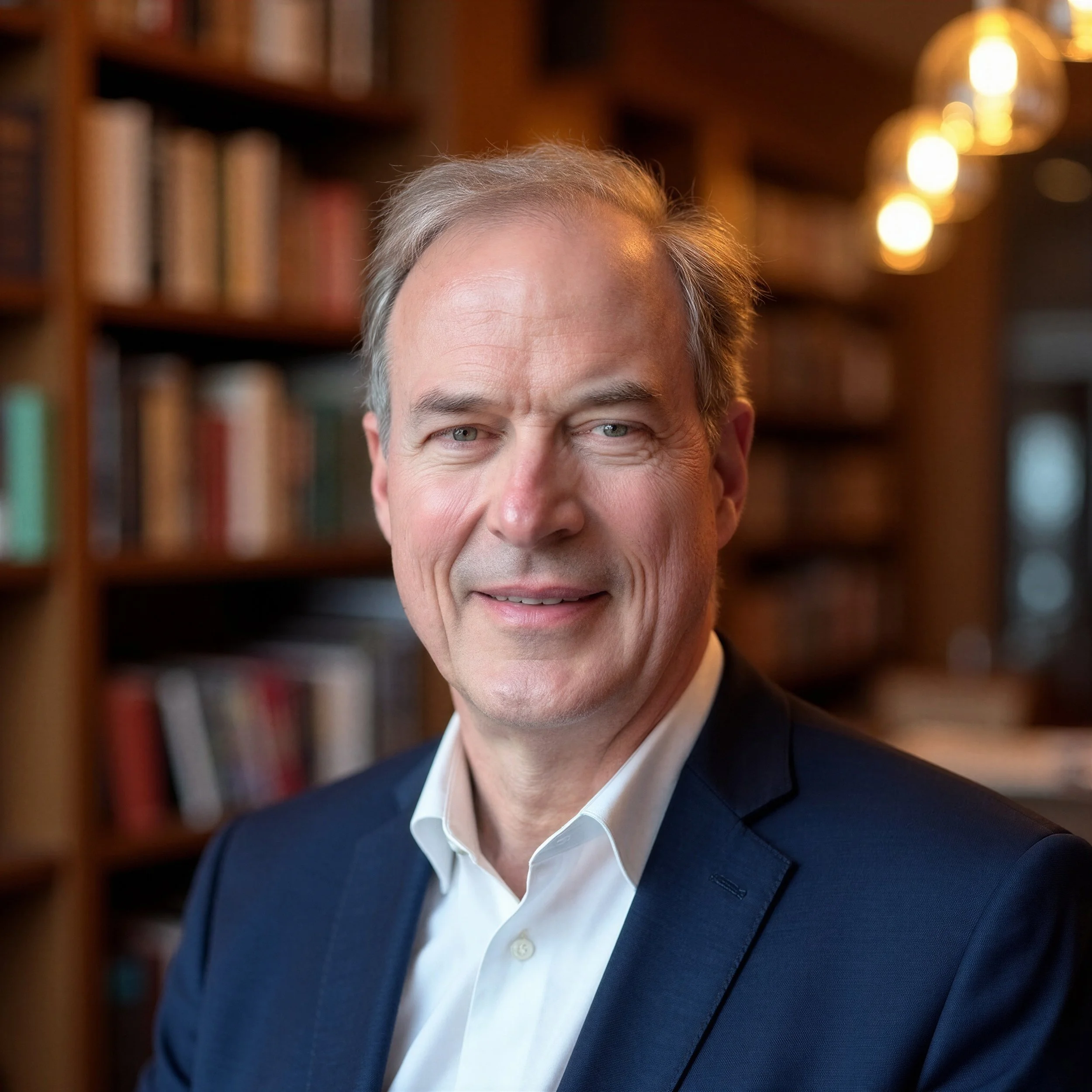
The Real Test: Family Life
But Thomas knows that the ultimate test of any life philosophy isn't business success—it's whether it works in your most important relationships.
After 38 years of marriage, raising four children, and enjoying ten grandchildren, he's learned that The Tack Philosophy isn't just a business framework. It's a way of living that creates stronger families, deeper relationships, and more meaningful impact.
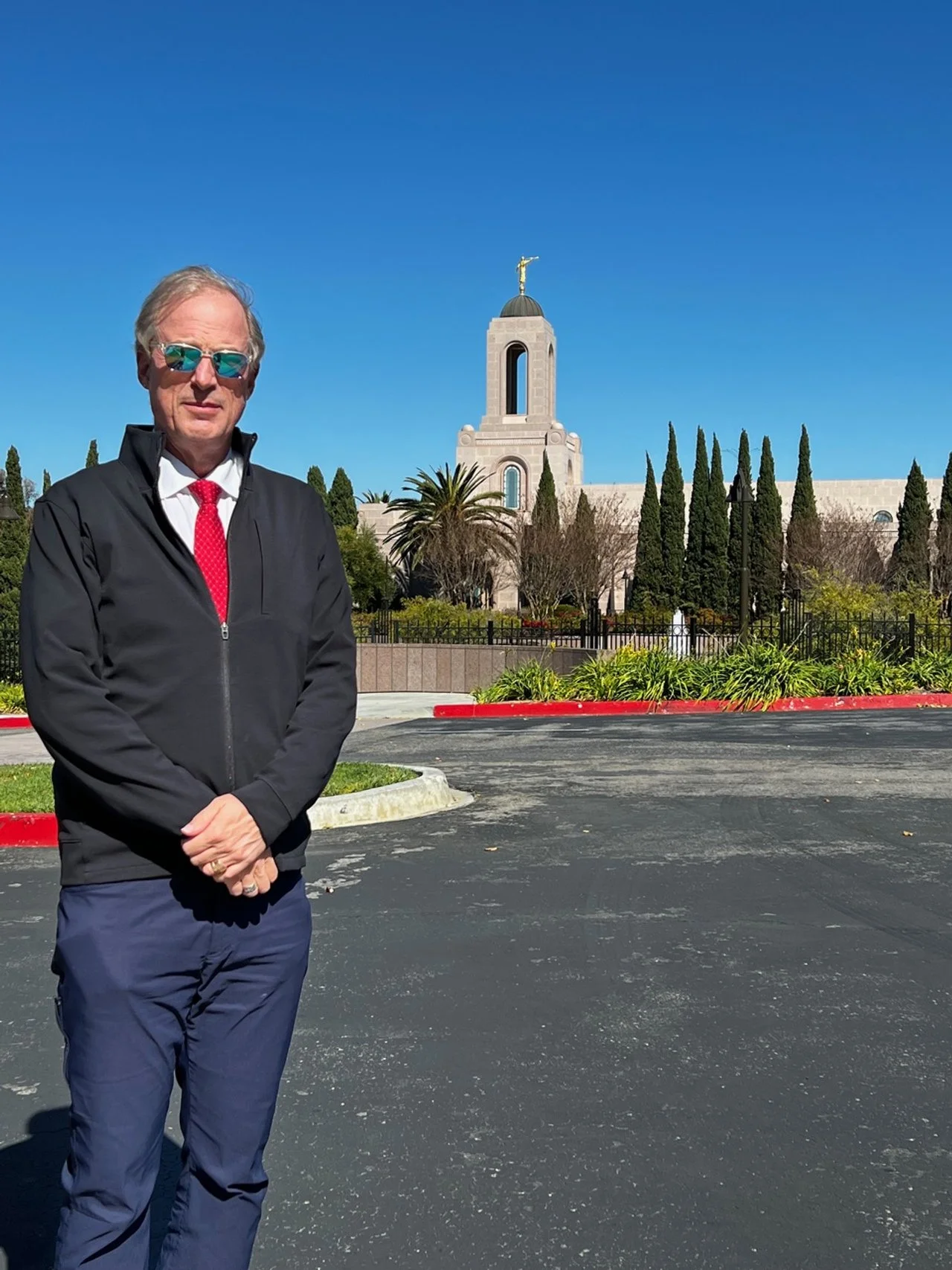




His Mission Today
Thomas does not traffic in motivational slogans or feel-good seminars. He helps people confront a harder truth: your complaints may be justified, but they are still keeping you stuck. Through The Tack Philosophy, he guides people through the same transformation he lived—from being right about their wounds to becoming responsible and powerful in how they respond.
Teaching Philosophy:
“I don’t pretend bad things didn’t happen to you. I don’t ask you to forgive people who don’t deserve it, and I don’t ask you to think positive thoughts about real pain. I help you stop letting what happened to you control what happens next. Because the booby prize of life is being right about how you’ve been wronged. Winners get off their tacks and start walking toward something better.”